Why I Built Alanna the Way I Did

· 7 min read
Every single part of Alanna was a choice. Nothing in her is there by accident. And if you’re trusting us with some of the hardest parts of your life, I think you deserve to know why things work the way they do. So I want to walk you through it.
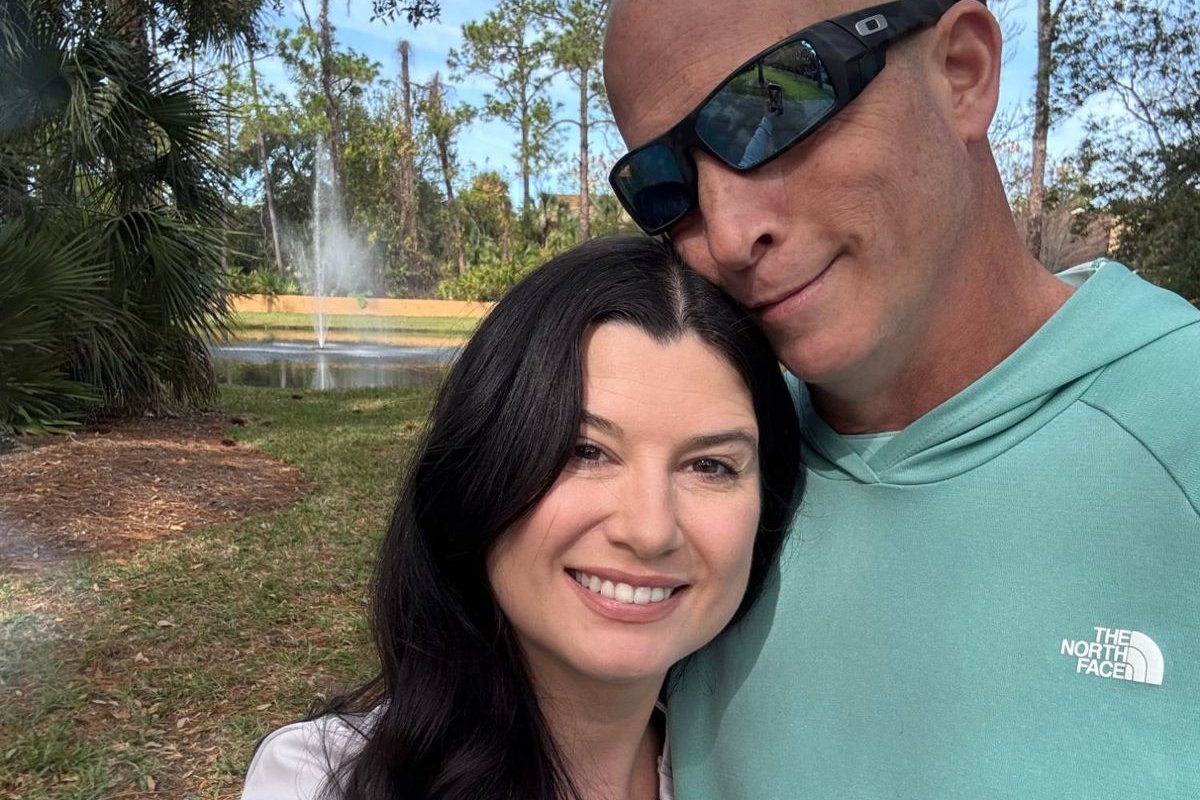
It started when my husband Chris was going through cancer treatment and I became his caregiver. I went looking for support for myself and honestly didn’t find much that fit. Support groups met at times I couldn’t make. Therapists had long waitlists. There are good tools out there for scheduling, medication tracking, and coordinating care, and they genuinely help. But there was very little built for the emotional side of being the caregiver.
And I wasn’t the only one feeling that gap. In an AARP survey, 56% of caregivers said caregiving makes it difficult to care for their own mental health, and 41% said they feel lonely.
Alanna is my answer to that. Here’s how I built her, and why.
Why isn’t Alanna therapy?
Because I believe in therapy. Truly. I’ve always told caregivers it’s okay to call a therapist and say, “I just need to talk about what it’s like to be the one watching.” A licensed therapist can do things an AI companion can’t and shouldn’t do. So Alanna was built to work alongside therapy and medical care, never instead of it, and she’ll point you toward professional help when it would serve you.
But there’s a second reason, and it matters just as much to me. I didn’t want caregivers coming to Alanna feeling like something was wrong with them. Feeling exhausted, guilty, resentful, or heartbroken while caring for someone you love is not a disorder. It’s a normal human response to carrying an enormous load.
To be really clear: there is nothing wrong with going to therapy. But for a lot of people, the idea of it still carries weight. A large review in Psychological Medicine, covering 144 studies and more than 90,000 people, found that stigma was the fourth highest ranked barrier to seeking mental health help, and that worry about disclosing a mental health problem was the most common stigma barrier of all. Some caregivers just aren’t ready to see themselves as someone who “needs help.” Others physically can’t fit one more appointment into their week.
So Alanna is a place to talk without having to label yourself first. She’s upfront that she’s an AI, she doesn’t diagnose anything, and she offers practical coping skills and grounding techniques so you have something to actually do with what you’re carrying. If you already see a therapist, she can be the place you go between sessions. If you don’t, she might be a first step toward the people who can help.
Why are Alanna Allies groups private?
Allies are small peer support circles of up to 12 caregivers, moderated by our team. In Allies, nobody shares a real name or a face. Profile pictures aren’t allowed, and members are verified account holders whose identifying information is never shown to anyone else in the group. (The technical term for that is pseudonymous.)
I did that on purpose. The hardest things caregivers carry almost always involve people they love. Think about how hard it is to say “I resent my mom” or “sometimes I wish this were over” in a room where someone might know your family. Now imagine saying it to people who completely get it and have no idea who you are. That’s a very different conversation.
And the research backs this up. In a set of studies published in the European Journal of Social Psychology, people who were visually anonymous shared significantly more about themselves than people who could be seen. Psychologist John Suler described something similar called the online disinhibition effect: when people feel less identifiable, many open up and ask for help more freely. In a caregiving circle, that openness is the whole point. Other caregivers with no stake in your family can give you honest, unbiased perspective, and you can be fully truthful without worrying about who might hear it.
Privacy has to come with safety, though. Every Allies circle is moderated, and members can report or block anyone at any time. You can read exactly how that works in our Allies Moderation Policy.
Why does the journal hold both your feelings and your to-do list?
Because caregivers don’t get to live their emotions and their logistics separately. The worry about tomorrow’s appointment and the grief about what that appointment means show up together. So I wanted them to live in one place.
The Alanna journal is a private space to free-write, practice daily gratitude, or just get a few thoughts down. It sits right next to calendar and task tools for appointments, medication lists, and to-dos, with reminders so nothing slips. Your journal is yours alone, and our team never reads it.
The gratitude part is personal for me. After what I’ll politely call a “micro breakdown” one night, I picked my gratitude journal back up after months away from it. It didn’t erase the stress, but it softened it. And it turns out there’s real research behind that feeling. In a randomized trial of 170 dementia caregivers, published in Health Psychology, those who learned a set of positive emotion skills, including keeping a daily gratitude journal, saw bigger drops in depression and anxiety than the control group. A separate study of dementia caregivers found gratitude was linked to healthier coping and lower caregiving burden.
The lists are intentional too. A sleep study published in the Journal of Experimental Psychology found that people who spent five minutes writing a specific to-do list before bed fell asleep faster than people who wrote about tasks they’d already finished. The researchers think writing it down helps offload the worry. The mental load of caregiving is its own kind of exhaustion, and getting it out of your head frees up room for everything else.
Why are affirmations part of Alanna?
Because of how we talk to ourselves. I’m not doing enough. I’m failing him. I’m a terrible person for being this tired. I’ve said versions of all of these to myself, and I’ve read them over and over from other caregivers. That kind of negative self-talk is incredibly common, and it gets so much louder when guilt and resentment show up.
It can also become dangerous. A CDC survey from June 2020, during the pandemic, found that 30.7% of unpaid caregivers of adults had seriously considered suicide in the past 30 days, compared with 3.6% of people who weren’t caregivers. Those numbers came from an unusually hard time, but they show how much weight caregivers can be carrying. If you’re having thoughts like these, please call or text 988 right now. You matter, and help is there any time.
Alanna’s affirmations are built on published psychological research from other institutions, not our own studies. A 2025 meta-analysis in American Psychologist, covering 129 studies and nearly 18,000 participants, found that self-affirmation produces small but meaningful improvements in well-being, both right away and over time. Earlier research found that affirming your personal values can buffer your body’s stress response. And a 2026 systematic review of 56 studies found that caregivers who feel more confident in their own abilities consistently report lower caregiver burden.
So these aren’t generic positivity. You get ten a day, written specifically for caregiving, and each one is meant to answer something caregivers actually say to themselves. The goal is to help you catch a harsh thought, question it, and swap it for something more accurate and more kind. Not “everything is perfect,” but “I am doing a hard thing, and I am still showing up.” This isn’t toxic positivity. It’s about finding balance.
What Alanna will always be honest about
Alanna is an AI, not a human, and she’ll tell you so any time you ask. She’s not a therapist and not a crisis service. If she notices language that suggests you’re struggling, she’ll share crisis resources and keep talking with you, but her detection is automated and can miss things. Please reach out to 988 whether or not she notices.
I built Alanna because I know how much caregiving takes out of you, and I wanted caregivers to finally have something made just for them. Every choice above came from that. Because caregivers deserve care too.
Alanna is a general wellness tool, not a substitute for clinical care. If you are in crisis, call or text 988, or text HOME to 741741. Call 911 if you are in immediate danger.
Sources
What is the impact of mental health-related stigma on help-seeking? Psychological Medicine (2015)
The Online Disinhibition Effect, John Suler, CyberPsychology & Behavior (2004)
Mental Health, Substance Use, and Suicidal Ideation During the COVID-19 Pandemic, CDC MMWR (2020)
Impact of Self-Efficacy and Self-Esteem on Caregiver Burden: A Systematic Review, Healthcare (2026)